







Search Results for: children's admission
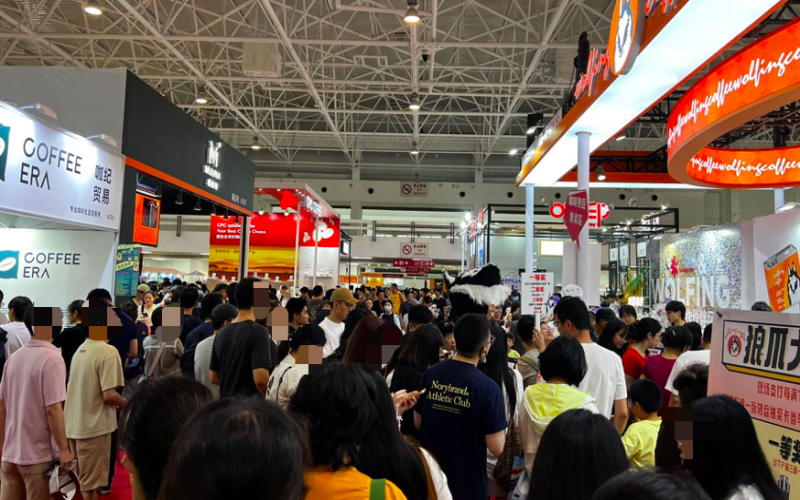
Coffee Expo Draws Huge Crowds but Sparks Controversy: Open-Admission Entry Undermines Professionalism
A recent international coffee exhibition held in Beijing sparked widespread discussion. The venue was packed with people and buzzing with excitement, yet many coffee enthusiasts who attended found that the professional exchange atmosphere they had expected was diluted by the surging crowds. Free admission attracted a large number of non-professional visitors, and money-saving guides even led to long queues in front of some booths. Some lamented that the exhibition was becoming more and more like a market, while others called on the organizers to set thresholds to ensure a better experience. What exactly happened at this coffee exhibition? Let's take a look at the real situation on the ground. [more…]
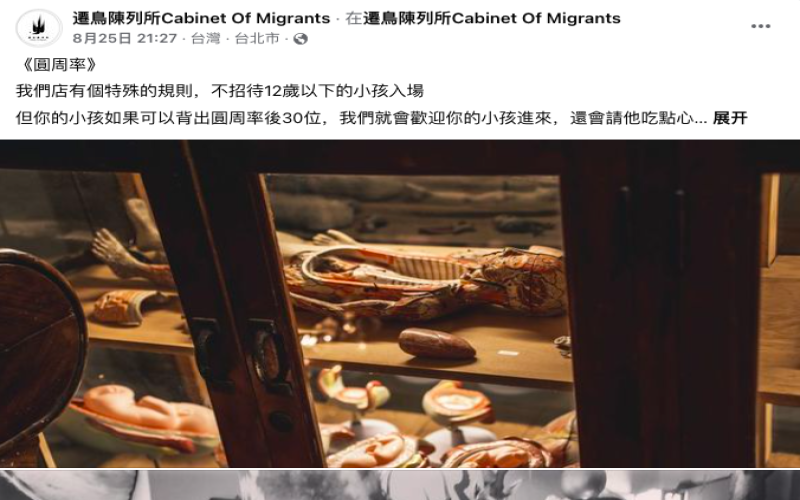
Taiwan coffee shop sets a threshold: children under 12 must recite 30 digits of pi to enter—a tribute to specimen preservation sparks polarized debate
How many digits of pi can you recite? Most people only remember 3.14, and the more impressive ones might manage 3.1415926. But at a coffee shop in Taipei, Taiwan, called "Migratory Bird Exhibition Hall," children under 12 who want to dine inside must accurately recite 30 digits of pi after the decimal point. This unusual rule quickly sparked heated debate, with some criticizing it as discrimination against children and others praising the shop for cleverly creating a fair opportunity for proof. The shop displays over a hundred rare animal specimens, including giraffes, zebras, and peacocks, costing hundreds of thousands each, with the most expensive giraffe specimen priced at 600,000 New Taiwan dollars. The owner admits that this move is both to protect the expensive exhibits and to give children a chance to prove their self-control. So far, a 6-year-old and a 10-year-old have successfully recited 30 digits to enter and dine. [more…]
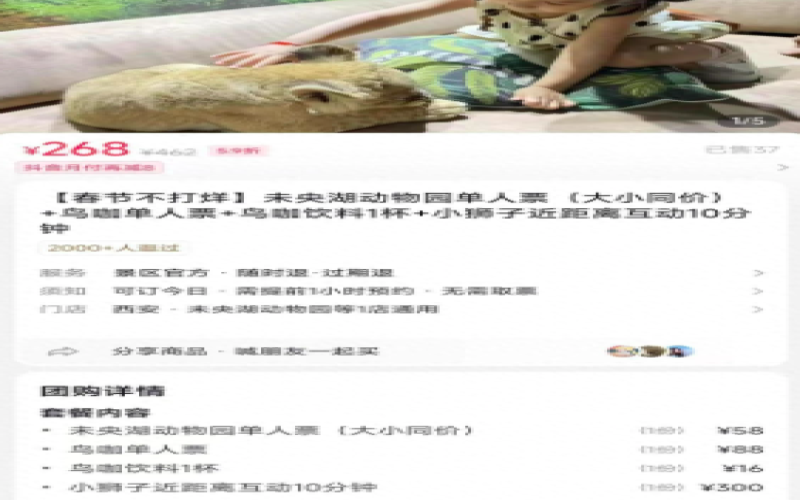
Xi'an Zoo café's "lion petting package" has been halted, wildlife protection station steps in to inspect
Recently, a café inside Xi'an Weiyang Lake Zoo introduced a special service — while drinking coffee, customers can also have a 10-minute close encounter with a lion cub just over a month old. This package starts at 268 yuan, which has sparked considerable attention and a check-in craze among netizens, but some have also raised safety concerns. On February 10, zoo staff confirmed that the program was launched during the Spring Festival, and visitors could interact with the lion cub under the supervision of professional keepers. However, as the incident gained traction, the Xi'an Wildlife Protection Station intervened to inspect and halted the close-contact interactions between visitors and the lion, and the online lion-petting packages have also been taken down. This article will walk you through the whole story and the responses from all parties. [more…]

A coffee shop in Huzhou offering free admission to female customers in bikinis sparks heated debate; officials say they are verifying and handling the matter
Recently, a coffee shop in Huzhou, Zhejiang Province, known for its waterfall view, launched a "women in bikinis get free entry" promotion, quickly sparking widespread discussion on social media. Some customers reported that when a friend in a swimsuit arrived, she was scrutinized by male ticket checkers and questioned about wearing too little fabric, which made her uncomfortable. Netizens generally believe the free-entry rule is unfair and suspected of using female customers to attract male spending. The shop responded that the event was set up in response to female customers' requests, aiming to provide women with a dedicated photo space, and was not deliberately planned. The local culture and tourism bureau and township government have taken note of the matter and are currently investigating and verifying it. [more…]
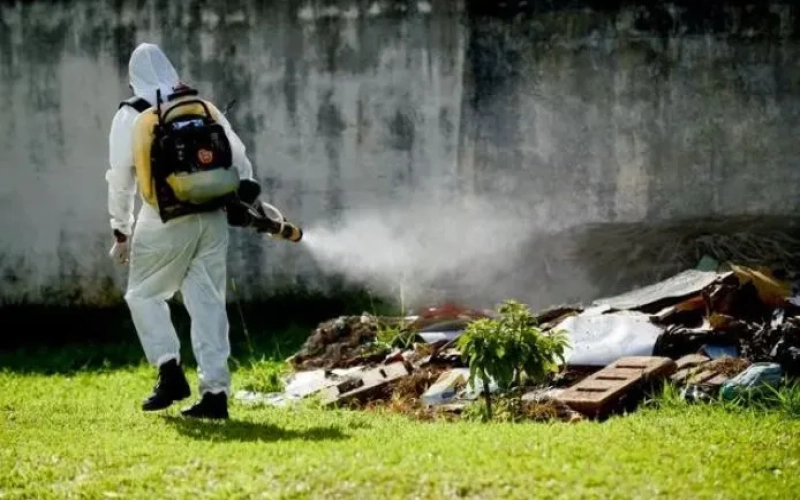
Dengue Fever Outbreak Hits Brazil's Coffee Industry: Harvest Slows, Port Congestion Worsens, Indonesia Cases Surge
The hot and humid climate brought by El Niño created conditions for mosquito breeding, leading to severe dengue fever outbreaks in multiple countries across the Americas. Among them, Brazil's confirmed cases exceeded 3.5 million, with 1,544 deaths, both hitting the highest records since 2000. Hospital admissions surged, with the average dengue fever admission rate at São Paulo's municipal hospitals reaching 90%. At the same time, Brazil entered the early stage of harvesting the new Robusta coffee season, and a large number of workers were absent due to illness, significantly slowing down the harvest progress. The Port of Santos had long been plagued by ship delays due to aging facilities, outdated management, and insufficient manpower, and the epidemic further worsened congestion. In March, the coffee ship delay rate rose to 80%, reaching 81% at the Port of Rio de Janeiro and 59% at the Port of Vitória. In Asia, Indonesia also experienced a dengue fever outbreak, with over 60,000 confirmed cases and 475 deaths, about three times that of the same period last year. Front Street Coffee reminds you to pay attention to origin updates and travel safety. [more…]
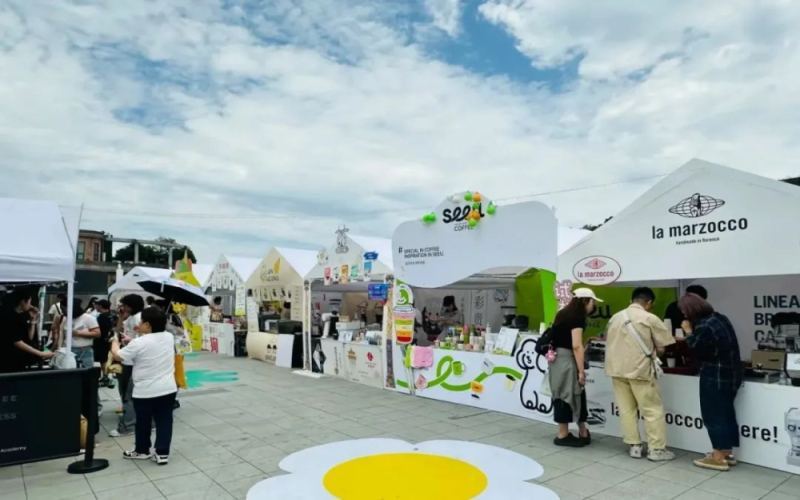
Coffee festival attendance falls short of expectations: Why do vendors keep complaining?
In recent years, coffee festivals and markets have sprung up everywhere, but behind the bustle lies the double dissatisfaction of vendors and visitors. This year, a certain coffee culture festival relaxed its entry restrictions, intending to attract more coffee lovers, but in practice, due to issues such as lack of promotion, insufficient signage, and inadequate weather contingency planning, foot traffic fell short of expectations, leaving vendors complaining bitterly. Visitors also grumbled that the venue was hard to find, specialty drinks were overpriced, and choices were limited. Rising stall fees and high costs have multiplied vendors' profit pressure, while the organizers' shifting priorities have caused coffee festivals to gradually lose their original character. This article will take an in-depth look at the reasons behind these phenomena and the voices of all parties. [more…]
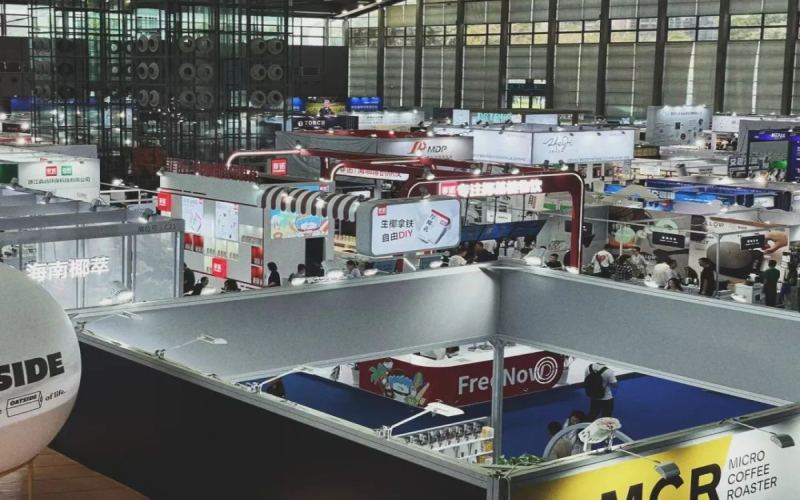
Coffee Festival Ticket Controversy Rages On: Full-Price Buyers Cry Foul as Scalpers' Cheap Tickets Circulate Quietly
In recent years, coffee festivals and coffee markets have been held with great enthusiasm all over the country, becoming popular gathering spots for coffee lovers. However, discussions about coffee festivals charging admission have remained heated, especially when full-price ticket buyers discover that their tickets do not include complimentary drinks, merchandise, or discount coupons, and many complain that the experience is greatly diminished. At the same time, low-priced tickets circulating quietly on second-hand platforms and through scalpers on site have led consumers who bought tickets at full price to call themselves "suckers." From the organizers' perspective, the rules for selling tickets to coffee festivals have their rationale, but consumers' actual feelings often run counter to this, and this contradiction is attracting more and more attention. [more…]

College Entrance Exam Season Food and Beverage Marketing Watch: How McDonald's, KFC, Chagee, and Other Brands Ride the Trend to Send Blessings
Every June, the national college entrance examination, or gaokao, becomes a hot topic of public attention across the country. This year is no exception, with a flood of good wishes pouring in from trending lists to social media platforms. Major food and beverage brands keenly seize this opportunity, rolling out gaokao-themed products or promotional activities in an attempt to win consumer goodwill amid fierce market competition. McDonald's has extended its breakfast-exclusive items to all-day availability, KFC has partnered with Mount Wutai to launch an auspicious set meal, and Chagee uses homophonic puns to convey good wishes. In addition, tea beverage brands such as Shuyi Tealicious, Good me, and Yihotang have also switched to gaokao-themed packaging, while independent coffee shops across the country are likewise serving exam takers and their parents by offering free water and rest areas. Behind this opportunistic marketing lies both the need for brand exposure and a reflection of society's collective care for gaokao students. [more…]
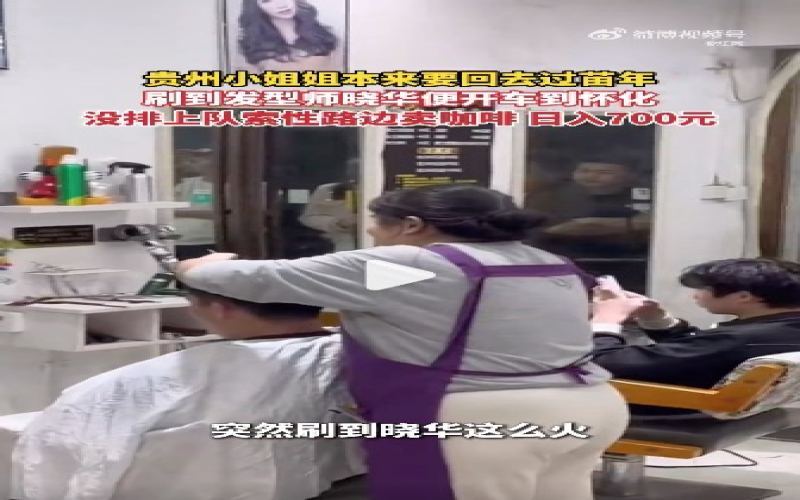
Hair Stylist Xiaohua from Huaihua Boosts Local Economy; Guizhou Woman, Unable to Get a Turn in Line, Sets Up a Coffee Stall on the Spot and Earns 700 Yuan a Day
Huaihua in Hunan Province quickly went viral on social media thanks to the sincere service of hairstylist Xiaohua, attracting over 200,000 visits in total, with more than 60 specialty shops already set up locally, and the culture and tourism authorities also rolling out supporting perks such as free admission to scenic spots. Amid this wave of traffic-driven dividends, a woman from Guizhou who had originally planned to get a haircut from Xiaohua queued for several days in a row but failed to get a reservation number, so she simply set up a temporary coffee stand beside her self-driving car, serving passersby pour-over coffee and reaching daily sales of around 700 yuan. This impromptu entrepreneurial move sparked heated discussion among netizens, with some praising her creativity and drive, and others questioning whether it was an elaborately planned marketing stunt. [more…]
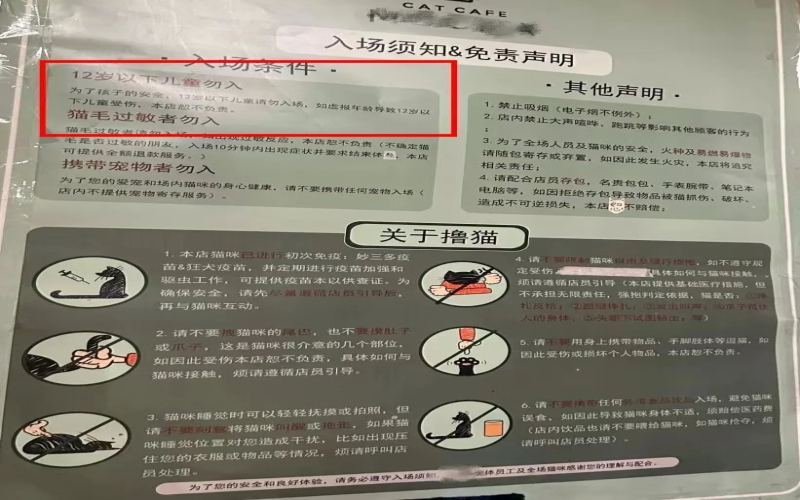
Coffee Shop's Refusal to Admit Young Children Sparks Heated Debate: Safety Consideration or Consumer Discrimination?
Recently, the topic of some coffee shops not admitting children has trended on Weibo, sparking widespread discussion. A cat café has a rule that children under 12 are not allowed to enter, with a strict ban on those under 6, citing concerns for children's safety. Many coffee shop owners have expressed similar stances: they hope to create a quiet space rather than restrict children's nature. Netizens have polarized views on this, with supporters believing that market segmentation is reasonable, while those concerned question whether it constitutes discrimination against consumers. Behind this debate lies the difficulty service industries face in balancing the needs of families with children and the desire for a quiet experience. Front Street Coffee has always focused on the intersection of coffee culture and social topics, and today we'll walk you through the ins and outs of this event. [more…]
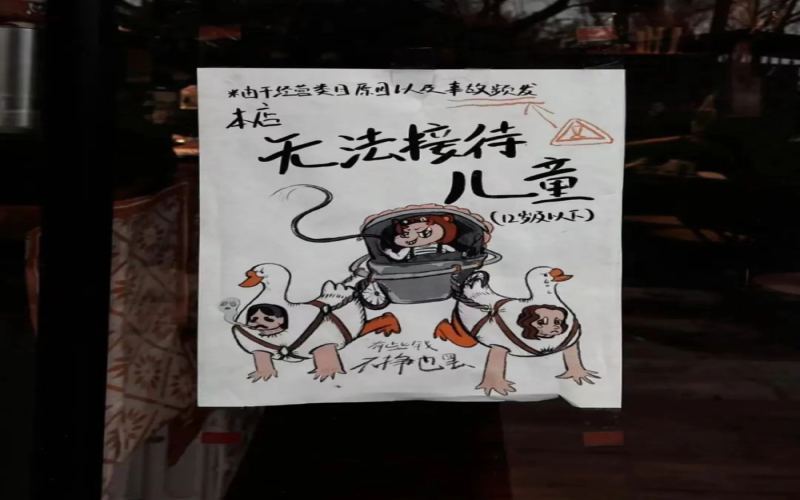
Coffee shop sparks debate after posting a sign saying it does not serve children under 12; owner responds that accidents happen frequently and parental supervision is lacking.
Recently, a coffee shop sparked heated discussion among netizens after posting a sign at its entrance stating that it does not serve children under 12. The sign explicitly stated that due to the nature of the business and frequent accidents, children could not be accommodated. Some netizens criticized the move as inciting anti-child sentiment, while others expressed understanding and support. The owner later posted an explanation, saying that after tourism reopened, parents brought children into the shop but failed to supervise them, leading to multiple accidents—including one child who climbed onto the bar counter and poured sour plum juice onto a coffee machine worth over 90,000 yuan. As the incident continued to escalate, media contacted the manager, who responded that the shop had no suitable drinks for children and that parents had caused losses by failing to fulfill their duty of restraint, but that in principle the shop would not turn away guests if children could be kept under control. This article will review the course of events and the views of all parties. [more…]
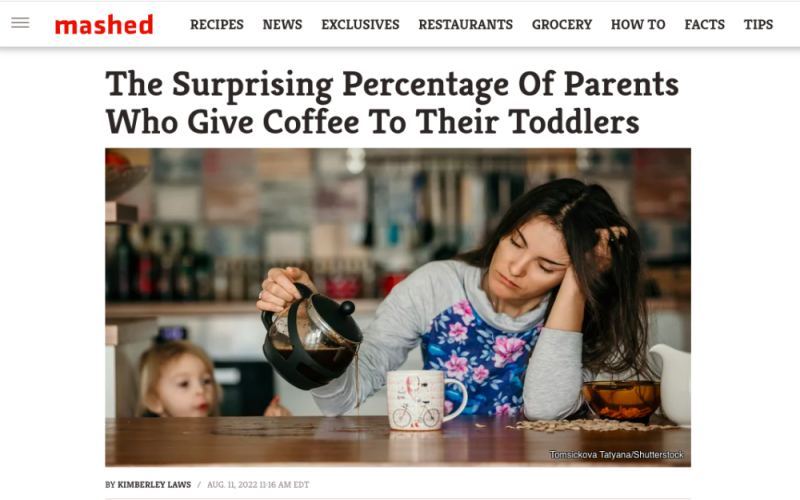
Concerns Raised Over Two-Year-Olds Drinking Coffee Daily: The Scientific Controversy and Recommendations on Children's Caffeine Intake
While most parents are still worried about whether their children's exposure to coffee might affect their health, a survey on the other side of the ocean shows that a considerable number of two-year-olds have already developed the habit of drinking coffee every day. Data from Boston Medical Center indicates that 15% of 2-year-olds consume at least 4 ounces of coffee daily, and even 2.5% of 1-year-olds are drinking it. Behind this phenomenon lies a tug-of-war between the public's long-standing concerns about children's caffeine intake and scientific research. Does coffee really stunt children's growth? Is there any basis for the claim that it causes bone calcium loss? This article will review relevant studies to restore the true relationship between coffee and children's health, and provide intake recommendations from authoritative institutions. [more…]
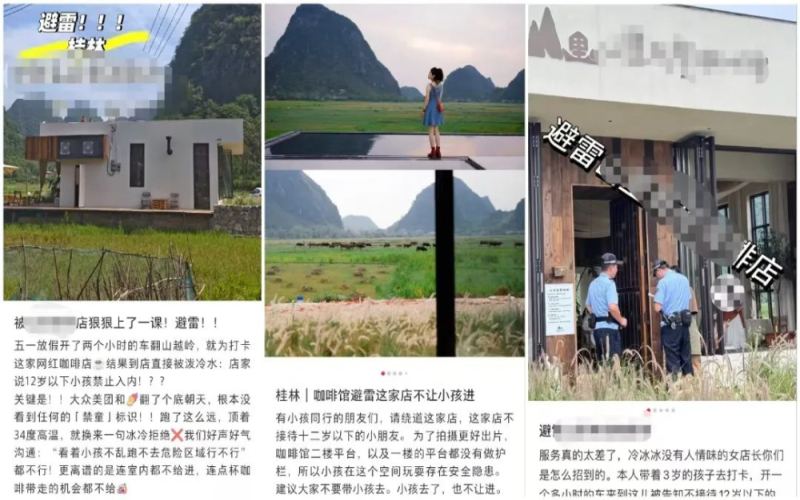
A coffee shop in Guilin refusing entry to children under 12 sparks heated debate, with the owner citing safety concerns rather than discrimination
Recently, a coffee shop in Guilin, Guangxi, sparked widespread discussion on social media for prohibiting children under 12 from entering. Multiple consumers reported being turned away when bringing their kids to visit the shop, and in some cases, verbal conflicts with staff even led to police being called. Supporters argue that the coffee shop has the right to choose whom it serves, noting that children are not the primary customer base and may pose safety risks. Opponents question whether the rule disrespects children and customers with kids, and point out that the open areas of the shop lack guardrails, which poses risks even to adults. The shop responded that the policy is not discrimination but a safety consideration based on the open design of its terrace and viewing platform, noting that the actual area is only 100 square meters, so space is limited. The incident continues to draw attention, with opinions divided. [more…]
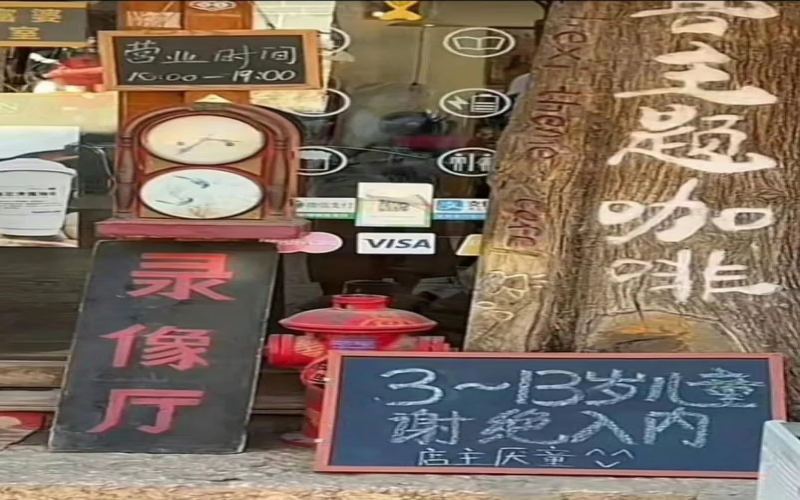
Cafés successively refusing entry to children sparks heated debate, South Korea's "no-kids zones" phenomenon also draws attention
Recently, two incidents of coffee shops refusing to serve children have caused a stir online. On one side, a coffee shop in China put up a notice at its entrance reading "Children aged 3 to 13 are not admitted," with the owner openly stating they "dislike children"; on the other, South Korea's increasingly common "No Kids Zone" has once again become a topic of discussion, with some establishments even posting signs reading "dog yes, kids no." Supporters argue that coffee shops are meant to stay quiet and that businesses have the right to avoid risks; opponents criticize the signs as discriminatory. What social nerves does this debate about "child aversion" actually touch? And what predicament of public space is reflected in the "bratty kids' parents" that young people complain about? [more…]
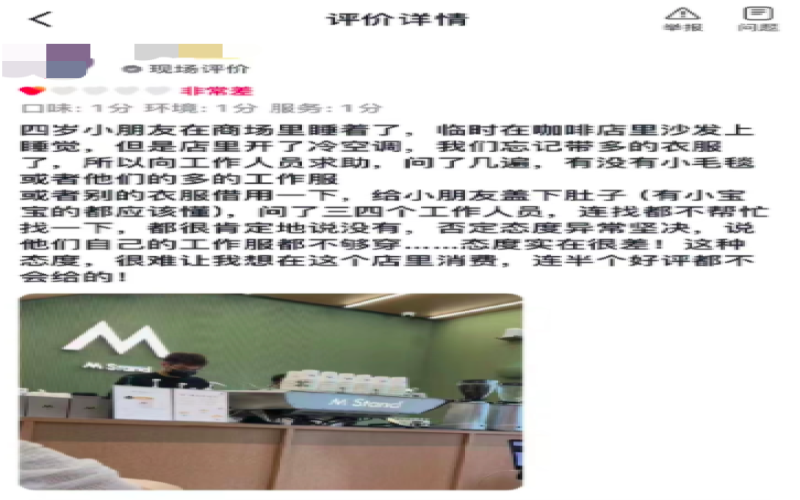
A customer left a bad review because they couldn't borrow a blanket; why are operators increasingly choosing to ban children from their cafés?
A mother took her child to a shopping mall. After the child fell asleep, she went to a coffee shop to rest on the sofa. Because the temperature inside the shop was low, she asked the staff to borrow a blanket or a work uniform but was refused. She later left a negative review, which sparked heated discussion among netizens. Some people understood the difficulties parents face when out with their children, while others believed that borrowing a blanket went beyond the scope of a coffee shop's service. At the same time, many coffee shop owners complained about the troubles brought by customers with children, and more and more stores have made banning children a rule. This discussion about service boundaries and business realities reflects the dilemma coffee shops face between customer experience and daily operations. [more…]
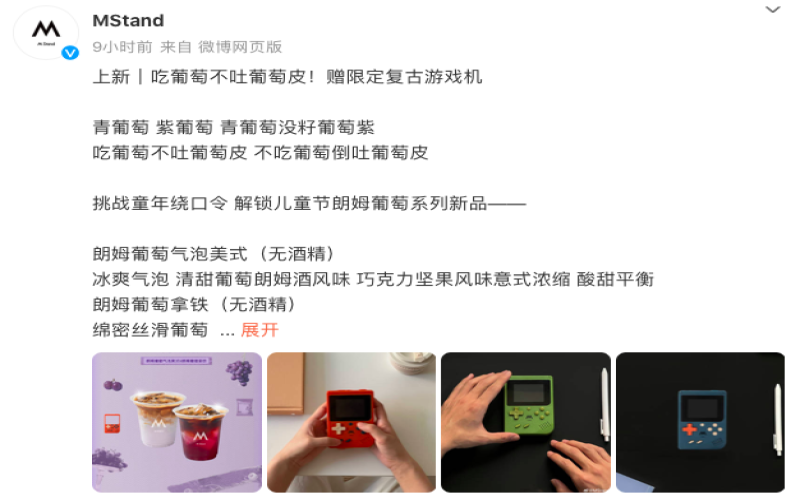
Mstand's Children's Day game console set causes mini-program crash, the consumer truth behind nostalgic marketing
On the eve of Children's Day, Mstand launched a promotion offering a retro handheld game console with the purchase of a limited-edition set, attracting a large number of adult consumers to snap it up and causing its ordering mini-program to crash. The console comes with ten classic games built in, such as Contra and Tetris, evoking childhood memories for many. However, some consumers found that the games were not officially licensed, the graphics were crude, and after just a few minutes of play their eyes felt uncomfortable. Merchants use nostalgia to attract grown-up kids to spend, but once the impulsive sentimentality fades, electronic toys ultimately cannot truly bring back the joy of times gone by. This article sorts through the whole incident and brings related recommendations from Front Street Coffee. [more…]
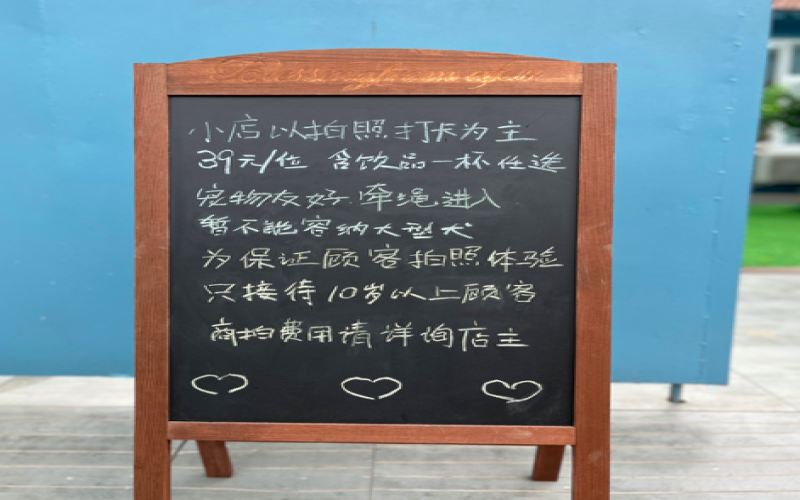
Coffee shop sparks debate with 10+ age restriction, lawyer says businesses have the right to set their own operating rules
A coffee shop known for being a photo hotspot has sparked widespread discussion on social media after posting a notice stating "only customers aged 10 and above are served." The owner says the move was a last resort, citing frequent incidents of children making noise, damaging facilities, and even creating safety hazards. Some parents are puzzled by the rule, arguing that 10-year-olds already have some self-control, while some netizens question whether it amounts to discrimination against children. In response, lawyers point out that businesses have the right to operate independently and can set reasonable rules based on their positioning, which does not constitute discrimination, but they suggest clearly explaining the reasons to gain understanding. Behind the incident lies the dilemma cafes face in balancing ambiance and customer experience. [more…]
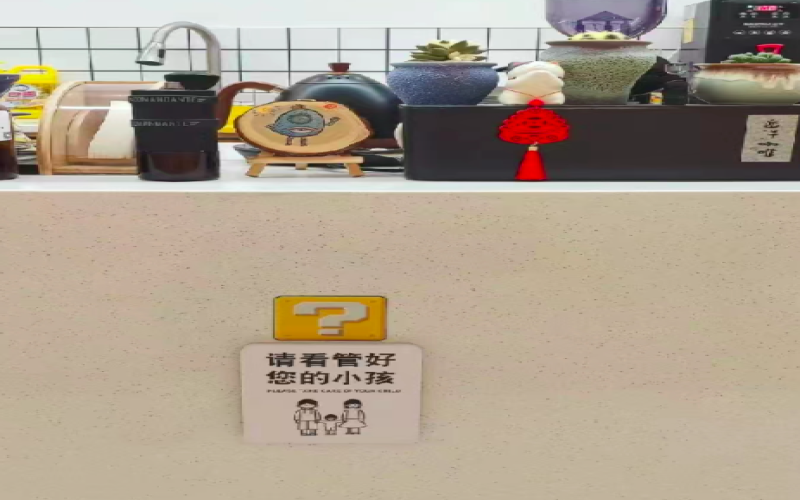
Who should manage noisy children in a café? The owner's silent observation sparks controversy, and a customer who was forced to step in and intervene ended up being complained about.
Coffee shops have always attracted customers with a quiet and comfortable atmosphere, yet when children who come to the shop with their parents make a loud racket inside, how the operator should respond becomes a difficult problem. Recently, a shop owner, not daring to speak up to stop them, let a regular customer step in to intervene on their behalf, and as a result was complained about by the parent, sparking heated discussion online. Many people believe that maintaining the shop environment is the owner's duty to begin with, and that having a customer act as a "mouthpiece" is not appropriate. Is it the parent's failure to discipline, or the owner standing by and doing nothing, that is more dissatisfying? This discussion about order and responsibility in coffee shops is worth deep thought by every industry practitioner and enthusiast. [more…]
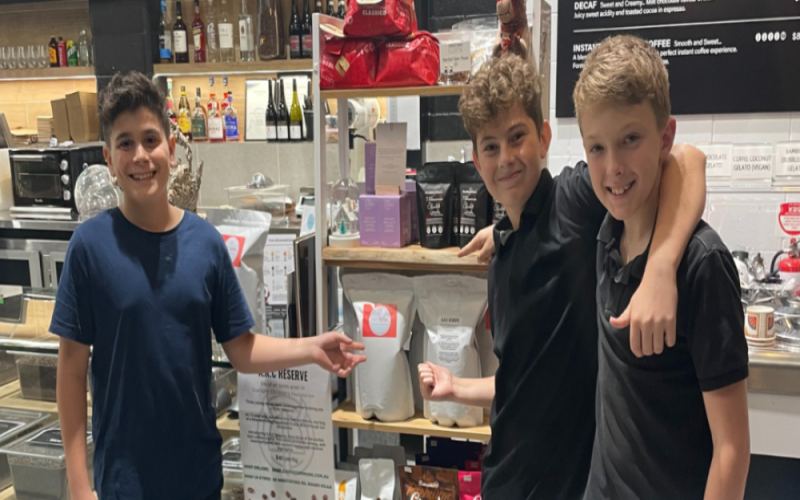
Three 12-year-old Australian teenagers founded the ARC coffee brand: an entrepreneurial journey from a school assignment to specialty espresso blends
While most 12-year-olds are still adjusting to school life, three teenagers from Australia—Arlee, Rocco, and Cristiano—have turned a school holiday assignment into a real coffee company: ARC Inc. From visiting local roasting workshops to finalizing their blend, from designing the brand identity to going door-to-door to sell their product, they personally completed the entire process of green bean selection, roasting quality control, packaging design, and sales planning. They created an espresso blend that combines flavors from Brazil, Australia, and Costa Rica, and donate 5% of the net income from each bag to a children's charity. This is not just a story about coffee, but also a practical lesson in growing up—about collaboration, gratitude, and the power of taking action. [more…]

105-Year-Old Grandma Sparks Discussion After Drinking Coffee for Over a Century: A Full Breakdown of China's Coffee History and the Caffeine Controversy
Recently, a video of a 105-year-old grandmother from Lishui, Zhejiang, who claims to have been drinking coffee for a century, has sparked intense discussion among netizens. Some questioned how a three-year-old child could drink coffee, while others wondered why someone who has drunk coffee her whole life now drinks instant coffee. Setting aside the controversy, this interview actually traces the century-long history of coffee's spread in China—from "black wine" in the Qing Dynasty to the flourishing of coffeehouses during the Republic of China era, and then to modern medicine's cautious recommendations regarding children's caffeine intake. This article sorts out the development of coffee in China and answers questions such as whether children can drink coffee and why the grandmother drinks instant coffee, helping you view the relationship between coffee and health, habits and tradition more rationally. [more…]